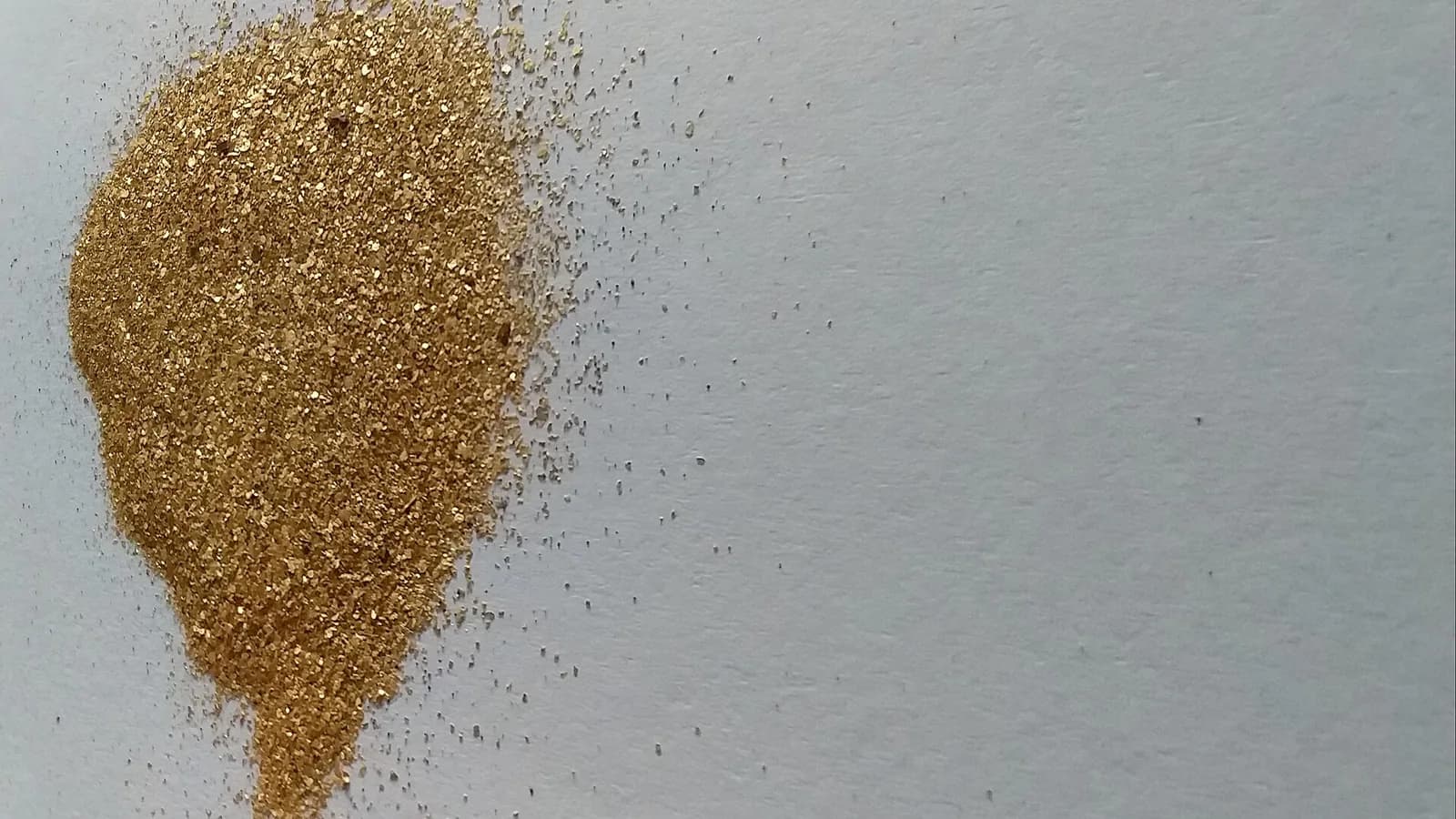
Indonesia produced an estimated 90 tonnes of gold in 2025, down slightly from 94 tonnes in 2024, and holds roughly 3,600 tonnes of reserves, according to the U.S. Geological Survey's Mineral Commodity Summaries 2026. World mine production that year was about 3,300 tonnes.
Those figures make Indonesia a mid-sized gold producer by volume. Its importance is not really about tonnage — it is about where the gold sits: inside one of the largest copper-gold systems ever mined.
Where Indonesian Gold Actually Comes From
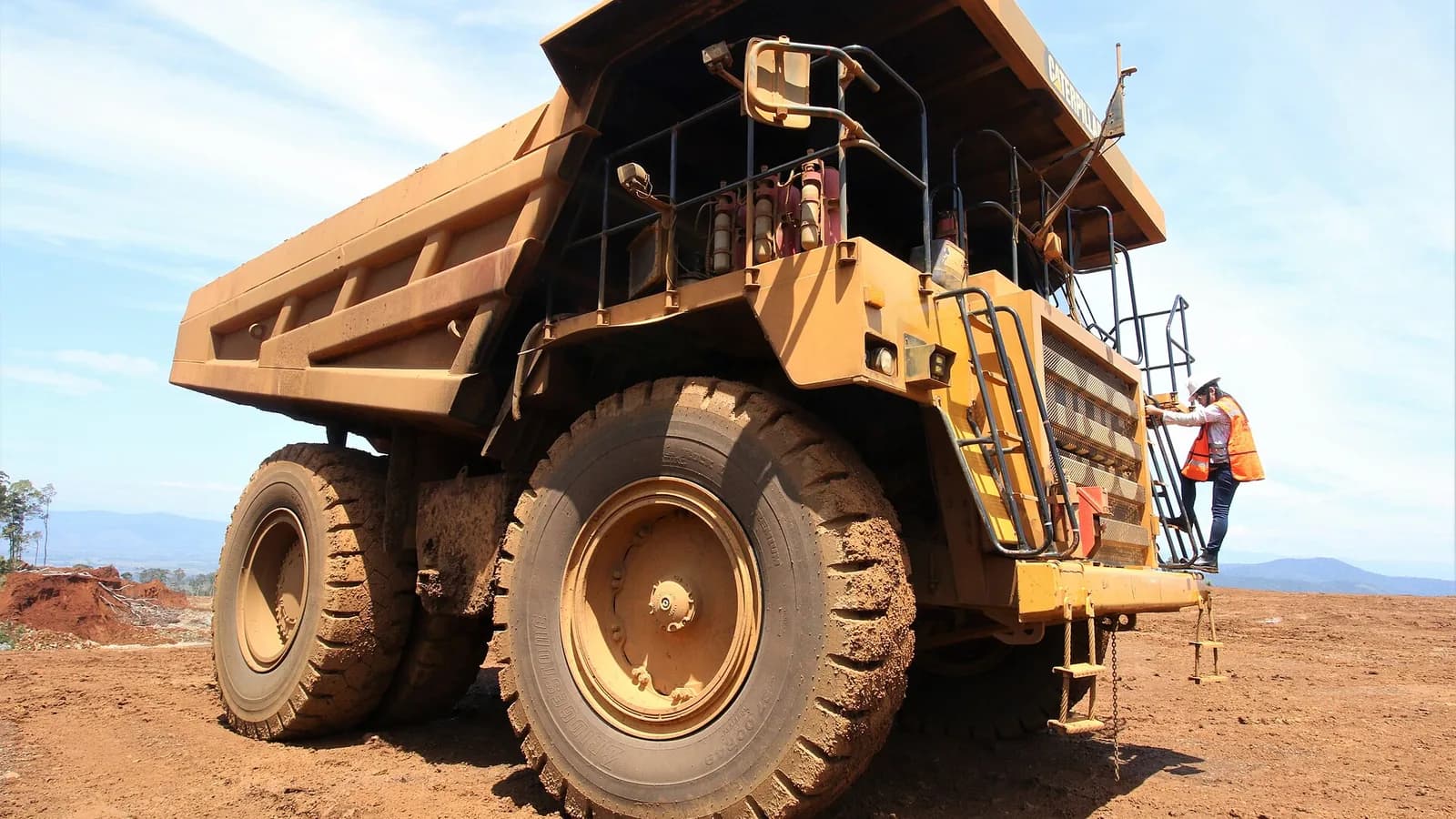
Indonesia's gold output is unusually concentrated. PT Freeport Indonesia operates one of the world's top-producing copper-gold mines, in Papua Province. Copper output there rose to 816,000 tonnes in 2024 from 753,000 tonnes in 2023, but gold production fell to 58 tonnes from 62 tonnes over the same period, because ore grades declined to 1.00 grams per tonne from 1.12.
That single detail explains most of Indonesia's gold production curve. When a copper-gold mine goes deeper, copper tonnage can rise while gold falls, and the national gold number moves with it. It is a by-product story more than a gold-mining story.
Smaller gold operations, largely on Java, Sulawesi and Sumatra, add to national output. USGS notes refined gold may also be produced in Indonesia but that available information was inadequate for a reliable estimate — a reminder that several of these figures are estimates, not counts.
Ownership: A State Holding Sits Over the Sector
The state-owned holding company Mining Industry Indonesia (MIND ID) groups five producers: PT Antam, PT Freeport Indonesia, PT Inalum, PT Bukit Asam and PT Timah.
Ownership here is not static, and the link between equity and licensing is explicit. In 2024 MIND ID acquired a further 14% of PT Vale Indonesia, taking its stake to 34%, as part of the divestment obligation attached to extending that company's operational licence to 28 December 2035. For an investor the lesson is structural: in Indonesia the licence and the share register are connected instruments, not separate topics.
Processing Is Moving Onshore
Freeport Indonesia completed a copper smelter and precious metals refinery at Manyar, in Gresik, East Java, with 0.6 million tonnes per year of smelting capacity. Operations were suspended after a fire during startup in October 2024.
That facility matters for gold specifically: a precious metals refinery is what turns concentrate into a sellable refined product. Indonesia has spent a decade pushing mineral processing onshore — the nickel ore export ban came in 2020 and the bauxite ban in 2023 — and gold refining sits inside the same policy direction.
The Legal Frame
Mineral and coal mining in Indonesia is governed by Law No. 4/2009 and its amendment Law No. 3/2020, administered by the Directorate General of Mineral and Coal at the Ministry of Energy and Mineral Resources.
In practical terms, a gold project is defined by its permit: the commodity named, the stage (exploration versus production), the holder, and the expiry date.
What This Means for an Investor
- Do not read national gold production as "the gold market here". A large share of it is by-product of copper mining, so it responds to copper operations rather than to the gold price.
- The permit is the asset. Gold in the ground without a current, correctly-held licence is not an investment, it is a mineral occurrence.
- Grades drive output, not effort. The 2024 decline came from ore grade, which is geology, not operating failure.
- Processing capacity is now part of the value chain. Refining onshore changes the economics and the export profile of a project.
Catatan Teramine
This section is Teramine's editorial assessment, not a statement of fact from USGS or any government body.
If you are looking at Indonesian gold specifically, the decisive questions are dull: which permit, held by whom, at what stage, expiring when, and on what grade evidence.
Gold opportunities currently listed on Teramine — operating IUP assets and exploration ground among them — are on the [mining marketplace](/en/marketplace). For permit and technical work on an existing project, see [mining permit services](/en/layanan-izin).
Sources
Figures and statements in this article come from the two official sources listed below.