Why Indonesian Nickel Matters
Indonesia is the world's largest producer of nickel, and the metal has become one of the most strategically important commodities in the global energy transition because it is a core input for lithium-ion battery cathodes.
That position was built deliberately. Indonesia restricted raw ore exports and required domestic processing, a policy known as *hilirisasi*, which moved a large share of smelting and refining onshore. The result is that decisions made in Jakarta about permits, export rules and royalty rates now affect battery supply chains worldwide.
What "Indonesian Nickel" Actually Covers
Nickel projects in Indonesia are not one thing. Investors encounter at least three distinct types, and they carry very different risk profiles:
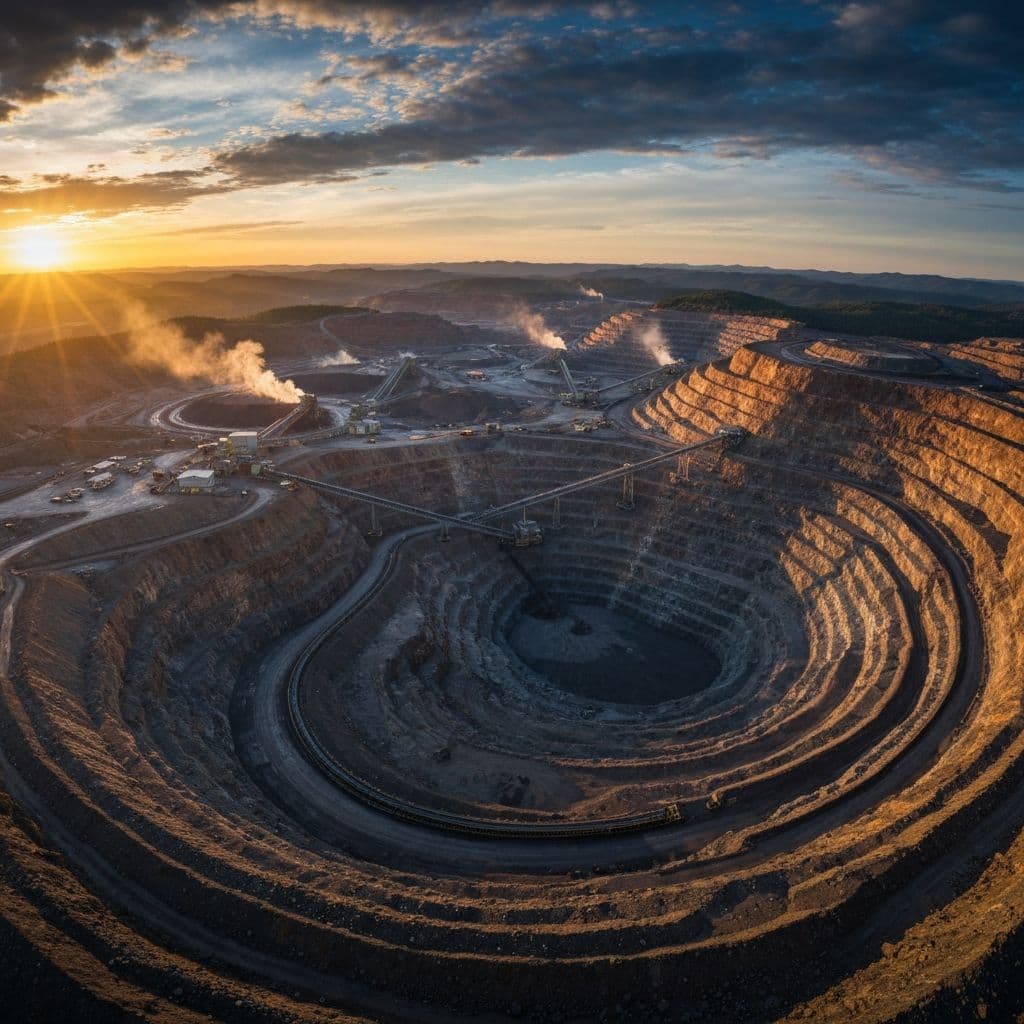
- Laterite ore operations — the bulk of Indonesian output, typically open-pit, concentrated in Sulawesi and Halmahera.
- Processing and smelting assets — rotary kiln electric furnace and high-pressure acid leach facilities, which convert ore into products usable by battery makers.
- Exploration-stage concessions — earlier, cheaper to enter, and dependent on further drilling before any production decision.
Understanding which of these a project is, matters more than its headline land area.
The Permit Question Comes First
In Indonesia, the asset is the licence. Before commercial terms are worth discussing, an investor needs clarity on the permit type — IUP for a domestic entity, IUPK for a contract-of-work area — the commodity it covers, the exploration versus production stage, the expiry date, and whether the holder is a foreign-owned entity.
A concession without a clean, current permit is a legal exposure, not a mining project.
Diligence That Actually Reduces Risk
- Verify the licence directly at the issuing authority rather than relying on a scanned copy.
- Check the company structure — local ownership requirements apply to mining businesses, and a chain of nominees is a common source of later disputes.
- Confirm the geology independently. Reserve and grade figures should come from a JORC-standard report, not from a sale document.
- Test the numbers against the environment. Transport distance to a port, power supply and water access decide whether a deposit is economic far more often than grade does.
- Establish the social and environmental position. Land status, community agreements and reclamation obligations are material, not administrative.
Where Teramine Fits
Teramine lists Indonesian mining opportunities — including nickel — that are offered for take over, joint operation and joint venture. Each listing states the commodity, the location and the commercial scheme, and investors can enquire directly to obtain the underlying documents.
We do not publish reserve estimates we have not seen evidence for, and we do not aggregate figures across projects.
Next Step
If you are assessing Indonesian nickel, start with the permit and the geology. Everything else is negotiable; those two are not.
Browse the nickel opportunities currently listed on Teramine, or speak to our team about a specific project.